Become a Police Constable
Being there when it matters. We’ve accepted the challenge, will you?
There are two ways to train to become a Police Constable in the Met Police:
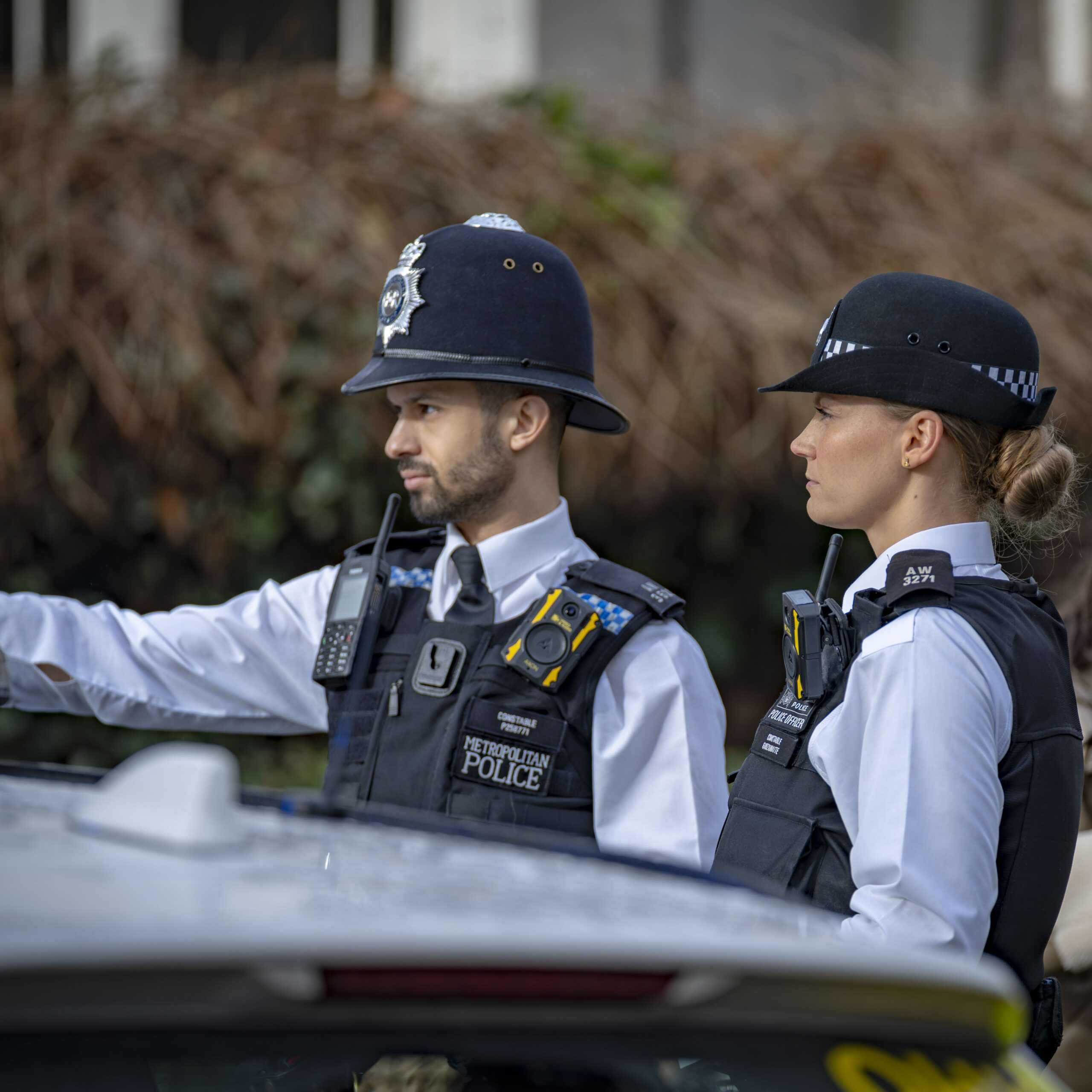
Police Constable Entry Programme (PCEP)
The PCEP is a two-year programme, combining classroom learning with on-the-job training and working as part of a police team. You will not study for a qualification as part of the programme.
Read on to find out more about the Police Constable Entry Programme
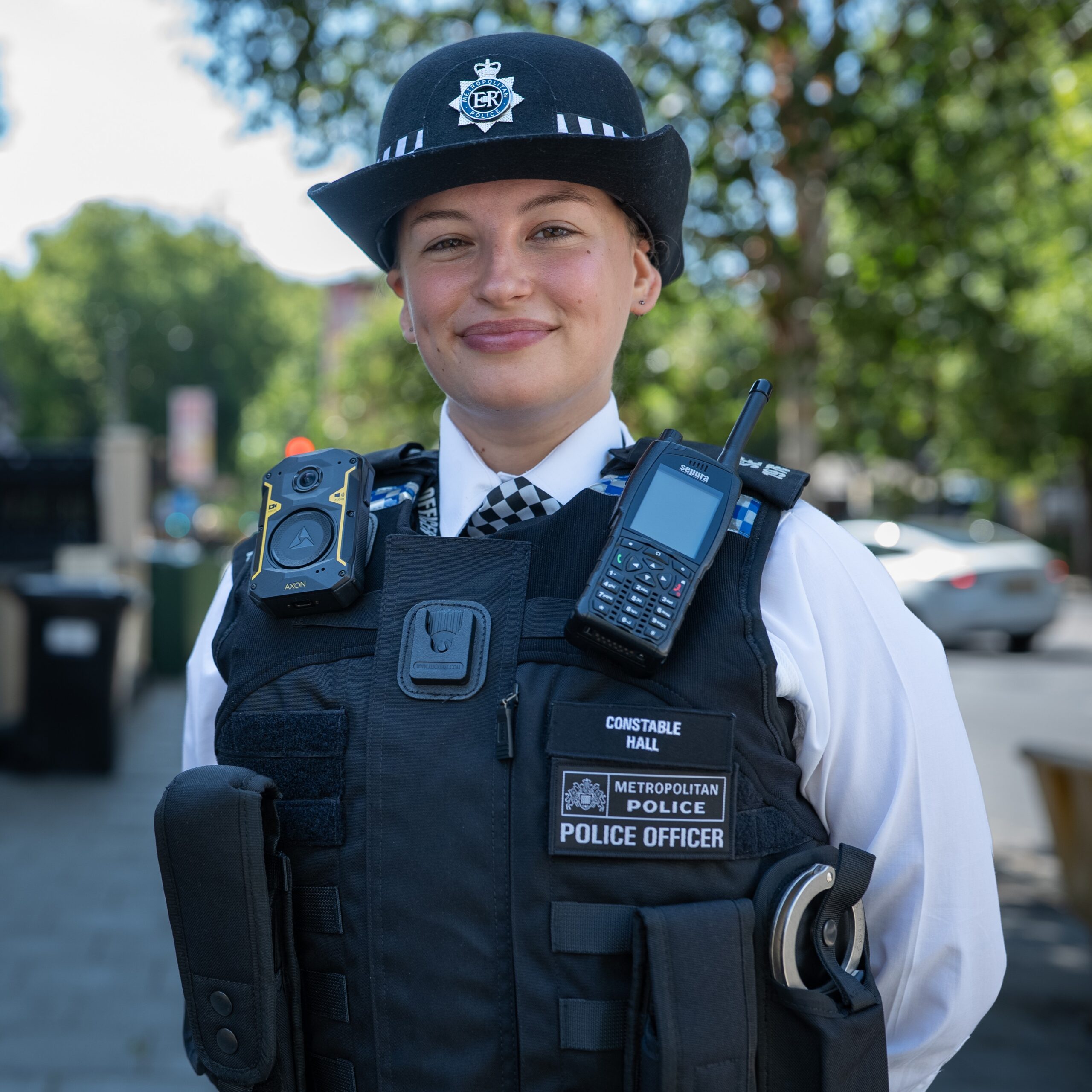
What’s it like day to day?
On the Police Constable Entry Programme, you’ll work as a police officer in a London borough team, responding to crime, working with communities, and protecting Londoners.
You’ll work in shifts and also complete periods of training throughout the two years.
Every shift is different. In the course of a week, you might:
- respond to emergencies
- support victims of crime
- investigate offences and gather evidence
- help tackle organised crime, drugs and gangs
- build case files and present evidence in court
Pay and Benefits
You’ll earn a starting salary of £43,689, including allowances, from the day you join. You will also receive annual pay increases.
Once you qualify as a Police Constable, your salary could then increase each year up to a maximum of £62,094. If you progress to Sergeant, you could earn more than £65,000.
Alongside your salary, you’ll also have access to a range of benefits, including:
- 22 days paid holiday each year, rising to 30 days the longer you work at the Met
- free travel across London and discounted travel up to 70 miles outside of London
- a generous public sector pension
- eligibility for a Blue Light Card, with discounts at shops, restaurants, gyms and attractions
- free physiotherapy
- free eyesight tests
- on-site gyms at Met buildings across London
- free or discounted sports facilities for you and your family
- access to a dedicated employee discount website
Police Constable Entry Programme
This is a two-year programme where you’ll combine learning at one of our Met training centres with on-the-job training in one of our police teams.
You’ll start the programme with a 1 week introduction to the Met.
This will then be followed by 16 weeks of classroom learning at one of our training centres. The training will follow alternating shift patterns and covers essential topics across policing and the law, giving you a foundation of knowledge and skills to be a police constable.
Our training centres are located in Colindale in North London and Sidcup in South London.
You will spend the following two months on Street Duty – putting your training into practice as you work in a real police team based out in a London borough.
Throughout your street duties, you will work with dedicated Tutor Constables who are experienced police officers there to support your first weeks out on the job.
The remainder of your two years will be spent building on your learning and experience. You’ll get to enhance your skills and knowledge through a number of different policing roles.
You’ll return to your training centre for other short blocks of classroom learning.
Upon completing your two-year programme, you’ll be a fully qualified police constable.
Career development and policing specialisms
Throughout your Met career, you will have access to ongoing training, mentoring and promotion opportunities.
Once you’ve qualified and passed your probation, you’ll continue to grow your frontline experience and could go on to apply for roles in areas such as:
- Neighbourhood policing
- Emergency Response
- Intelligence
- Territorial Support Group (TSG)
- Roads and transport policing
- Public order
Opportunities will depend on your experience, performance and any additional training or selection requirements.
Who we are looking for?
London is one of the most diverse cities in the world. That’s why in the Met we welcome applications from people from all backgrounds who are committed to making a difference for the communities we serve.
We are looking for people who share our values of integrity, courage, accountability, respect and empathy. People who don’t run away from problems but rather have the courage and grit to take them head-on. Read more about our principles and values.
Policing is a 24-hour job, and that means once you join, you’ll need to work shifts, including through the night and at weekends.
In addition to the above, you’ll also need to meet our standard eligibility criteria:
-
- English Language GCSE at Grade 4 / Grade C or above (or an equivalent Level 2 English qualification). We will also consider an equivalent overseas English Language qualification.
- 2 A Levels or a Level 3 qualification. This could include:
- two A levels at grade E or above (in any subjects)
- a Level 3 qualification (in any subject), such as a T Level, BTEC, an International Baccalaureate Diploma or NVQ
- equivalent training or work experience
- relevant service with the police, Met Volunteer Police Cadets or Armed Forces
You can still apply if you’re working towards your qualifications. Equivalent overseas qualifications will also be considered.
-
You must be 18 or older to join us, but you can apply when you are 17.
Typically, the upper age limit is 57.
-
You don’t need to be an athlete, but you’ll need a reasonable level of fitness to meet the demands of policing.
As part of the application process, you will need to complete a fitness assessment known as the bleep test.
Find out more about the fitness assessment and application process
-
Some medical conditions can prevent you from being able to cope with the physical and mental demands of the job. Government medical standards set out full details on illnesses, injuries and disorders that will affect your ability to work as a police officer.
-
You must have lived continuously in the UK for the past three years.
If you’re not a UK national, you must also be living in the UK without restrictions and have indefinite leave to remain.
Exceptions may apply if you’ve been serving abroad in the British Armed Forces.
-
If you’ve got a tattoo, you’ll need to tell us about it when you apply. You can’t join the Met Police if you have tattoos that are on your face or the sides or front of your neck (above the collar line). You also can’t join if you have any tattoos that are deemed offensive or discriminatory.
-
Whilst you can submit applications to more than one police force, you can only start the online assessment with one force.
-
Everyone who joins the Met must pass vetting checks. This helps maintain our high standards and ensures people in positions of trust are suitable for their role.
Application Process
The entire recruitment process typically takes up to 12 months. The process includes six key steps:
- Step one: Online registration and application form
- Step two: National Sift – including online tests.
- Step three: Online assessments and competency interview
- Step four: Face-to-face assessment – including medical and fitness tests.
- Step five: Pre-employment checks and security vetting.
- Step six: Offer and start date discussions – If you’re successful, we’ll make you a formal offer of employment and agree your joining date!
Find out more about the application process